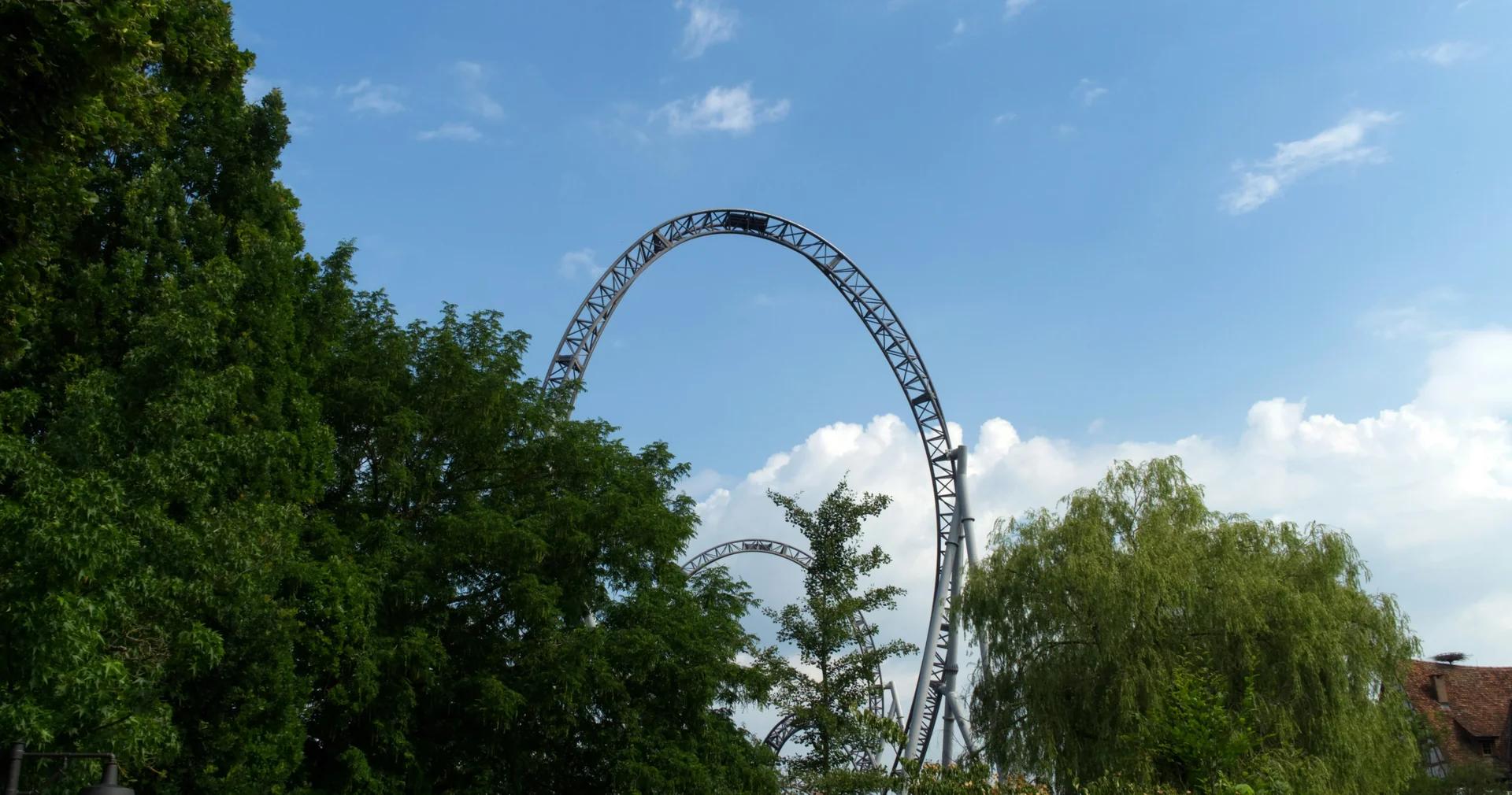
A fun moment that goes off the rails!
Story
On a hot summer day, 14-year-old Marc was at the amusement park with his family. The park was filled with laughter and screams, the rides were running at full speed, and the atmosphere was festive. Marc, eager for thrills, had decided to ride a particularly impressive attraction: the big roller coaster.
At the end of the ride, as the train was slowing down to return to the station, an unexpected incident occurred. A mechanical failure caused the train to stop abruptly several meters from the unloading platform. Panicked, some passengers tried to stand up despite safety instructions. Marc, thrown off balance by the train's sudden movement, lost his balance and fell heavily to the ground from a height of several meters.
A crowd of visitors immediately gathered around Marc, some shouting for help. Fortunately, among them was Clara, a woman in her forties, trained in first aid and a member of a volunteer rescue team.
"Don't move, I'm a first aider," Clara announced as she knelt down next to Marc. "I'm going to help you, but please don't move."
Seeing Marc unconscious, Clara knew the situation was serious. She asked another bystander, a stocky man in his thirties, to help her. "Can you hold his head in a neutral position? Keep it aligned with his neck and back, and don't let his head move," she asked. "Make sure he is still breathing by looking, feeling and listening to his breathing. If you notice any change, please let me know immediately," she concluded before assessing Marc's overall condition.
The man nodded and knelt carefully behind Marc's head, using his hands to gently but firmly stabilize Marc's head, preventing any movement.
Clara began by assessing Marc's condition. She checked his breathing by listening and trying to feel Marc's breath as well as watching his chest for respiratory movements. She found that he was still breathing, but irregularly. She quickly inspected his body for any visible fractures or bleeding, noting a possible fracture of the left arm and bruises on the chest.
"Marc, stay calm. I'm going to take care of you," she said, even though Marc was unconscious. She used a walkie-talkie to call the park's professional emergency responders.
While waiting for them to arrive, Clara improvised a splint for Marc's injured arm using objects she found around her and a scarf she was wearing. She continued to monitor his breathing and reassure the other worried bystanders.
When the park's medical team arrived, Clara quickly informed them of Marc's condition and the measures she had taken. They then took over to safely transport Marc to the ambulance.
After this incident, Marc was taken to the hospital where he received the necessary care. His family, although very worried, was relieved to know that he had been cared for quickly and effectively.
Following his serious fall, Marc was able to benefit from the valuable help of Clara, a first aider, who knew how to intervene quickly and effectively to stabilize his injuries and calm the situation. Thanks to her intervention, Marc was safely transported to the hospital.
This event is a reminder of the importance of first aid training and of having qualified first aiders in public places.
1) REASSURE AND ASSESS
INTERVENTION PROTOCOL
By understanding the key steps of the protocol and putting them into practice, we can be better prepared to react quickly and correctly in a similar emergency. Let's learn together the essential steps to take to provide optimal assistance in such situations.
Speak calmly and reassure.
Check breathing (listen, look, feel).
Observe signs of visible injuries.
Ask a third party to keep the victim's head in a neutral position, aligned with the neck and back.
Look for fractures, hematomas or other visible injuries.
Use available objects to immobilize injured limbs (improvise a splint).
Wrap injuries with scarves or other sterile materials if available.
Use a means of communication to contact professional emergency responders.
Stay with the victim, monitor their breathing and general condition.
Provide details about the victim's condition and the measures taken upon arrival of professional emergency responders.
Related first aid training
Provides the knowledge needed to prevent concussions and help victims.
Please click the button below to obtain the full details of the training.
Even if symptoms are not immediately visible, head impacts can be serious. It is therefore essential to be vigilant in identifying the presence of trauma and to provide the necessary first aid as quickly as possible.
• Loss of consciousness (even brief). • Severe headaches, nausea or vomiting. • Dizziness, confusion or blurred vision. • Clear fluid leaking from the nose or ears
ACTIONS TO TAKE
• Stay with the victim. • Do not let them resume their activities immediately. • Call emergency services if any of the symptoms are present.
Importance of training
This fictional scenario shows us that real knowledge of first aid is essential during events involving human life. A rapid and appropriate intervention can also considerably promote the healing and recovery of a serious injury. Mastering the knowledge of a complete first aid training course can be useful in many critical situations, and even in everyday accidental care.
Conclusion
It is essential to know how to react to an emergency situation, even when it initially seems minor. Marc's story reminds us of the importance of staying calm and being ready to intervene when someone is injured. By following first aid protocols and being aware of the signs of serious injuries such as head impacts, we can all play a crucial role in the safety and well-being of others. By keeping in mind the advice and reminders presented in this article, we are better equipped to deal with emergency situations and to offer effective assistance to those who need it.
Written by Alexandre Grenier, Founder of Formation RCR et Secourisme Québec
Layout and review by Roxanne Duchesneau, Graphic Designer